Motion Showreel (code-rendered motion video)
/motion-showreel
A workflow and toolkit for motion-graphics videos made with code: a page exposes a deterministic render(t), the tools render it frame by frame to MP4 with a synthesised or Tone.js score from the same timeline, check determinism and text framing, and run technical acceptance (size, fps, duration, audio, black frames, loudness). 40 style notes, a starter, an editor preview and chapter builds up to 20 minutes. For games: logo stings, title cards, UI motion, feature explainers and trailer inserts.
- License
- MIT
- By
- By GameSkill
Tested by GameSkill
23/23 checks passed on Node 22 + Playwright 1.63 driving Chrome 156 headless + ffmpeg 7.1 (2026-11-09): trigger, a runnable example, a screenshot and self-check, one job per skill, and English + Chinese docs. Trigger checks match prompts against skill descriptions; they are not a live agent run.
Test reportWhat this skill does
When it triggers
js score on the same timeline, style frames and a preview workspace before export, and technical acceptance of the file. Not for live action, realistic people or general video editing. …
GameSkill's tested copy
GameSkill's tuned build of this skill: the skill files from commit 08150e750bdc, plus our runnable example, test report, self-check list and Chinese guide, put through our skill process.
License: based on ConardLi/garden-skills by ConardLi, under MIT. The ZIP keeps the license files (LICENSE) and lists everything GameSkill added in CHANGES.md.
Self-check
- 需求、风格帧和预览都经用户确认后才导出 / Requirements, style frames and the preview were confirmed before export
- render.mjs --determinism 通过:同一个 t 像素相同 / render.mjs --determinism passes: the same t gives the same pixels
- inspect.mjs qa 全部 PASS(尺寸、帧率、时长、音轨、黑帧、响度) / inspect.mjs qa passes every check (size, fps, duration, audio, black frames, loudness)
- TTS 只用用户提供的原稿,凭据放环境变量 / TTS uses only the user's own script, with keys in environment variables
- 只做原创画面,不复刻现有游戏或品牌 / Original pictures only, never a remake of an existing game or brand
Install
Tell your AI
Install the skill from https://gameskill.dev/skills/motion-showreel/install.md
GameSkill's tested copy
mkdir -p .claude/skills
curl -fsSL https://gameskill.dev/dl/skills/motion-showreel.zip -o /tmp/gameskill-motion-showreel.zip
unzip -oq /tmp/gameskill-motion-showreel.zip -d .claude/skills
rm /tmp/gameskill-motion-showreel.zip
What you get
- SKILL.md workflow (Chinese) with confirmation gates: requirements, brief, style frames, workspace preview, export, acceptance
- scripts/: render.mjs (frames, stills, contact sheets, determinism and text checks), audio.mjs (built-in synth and Tone.js scores), inspect.mjs (technical QA and review sheets), editor.mjs (preview workspace), narration and chapter builds
- A starter project (render(t) page, motion helpers, shared timeline, score, one-command build.sh)
- 40 style notes and references for craft, sound, review and long-form pieces
Good fit
- Logo stings, title cards and UI motion for a game's store page or trailer
- Feature explainers and devlog videos built from code instead of an editor
- Videos an agent can rebuild exactly after a change, with checks it can read
Not for
- Gameplay capture trailers: see game-trailer-from-code
- Live-action, realistic people or editing existing footage
- Clickable presentations: the author points to web-video-presentation
Try this prompt
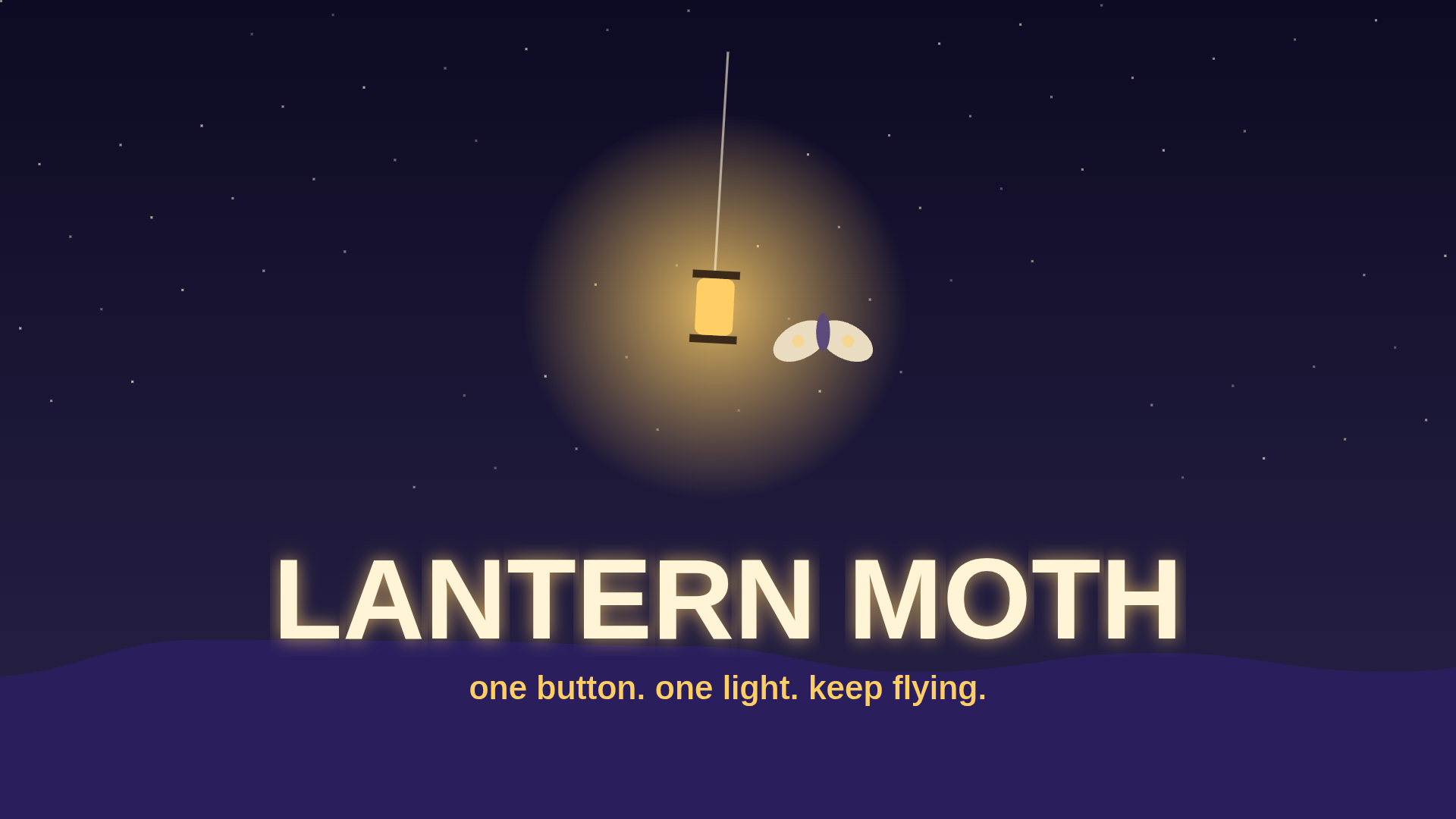
Make a 6-second title sting for my original game Lantern Moth: a moth spirals in to a swinging lantern, the light flares on the beat and the title springs up, with a synthesised score, 1920x1080 at 30 fps.About this skill
A workflow and toolkit for motion-graphics videos built from code. A page exposes a deterministic render(t). The tools render it frame by frame to MP4, with a score from the built-in synth or Tone.js that reads the same timeline, check that it renders identically, and run technical acceptance before anyone watches.
Agent steps
- Confirm the requirements (length, aspect, music, SFX and narration sources), then write the brief and show style frames.
- Build on the starter:
render(t)inindex.html, cues intimeline.js, sound inscore.mjs; check stills, determinism and text framing. - Preview in the workspace and wait for approval, then export with
build.shand passinspect.mjs qa.
Common problems it solves
- Videos that cannot be rebuilt the same way after a small change.
- Sound effects that drift off the picture, and music too quiet or clipping.
- Text cut off by the frame, black frames and wrong size, fps or length at delivery.
Credits
motion-showreel in garden-skills by ConardLi, MIT. GameSkill pointed the lockfile at the public npm registry and added a tested example: a title sting for our own game Lantern Moth.
Requirements
- Node 18+ (tested on 22), ffmpeg and ffprobe
- Google Chrome or Playwright's Chromium; set CHROME_PATH to use an installed Chrome
- Optional: a Gemini or MiniMax API key for TTS narration from a script you supply (not needed for music, SFX or silent pieces)
Topics
FAQ
Gacha Kit
Single and ten-pull animations: SSR cards charge up and burst in gold, then fly to the centre as holo cards that tilt with the mouse or phone gyro. Rarity timelines, skip, and Chinese and English text built in.
Based on ConardLi/garden-skills by ConardLi (MIT). The author's LICENSE and NOTICE files ship in the ZIP; ATTRIBUTION.md and CHANGES.md list the source commit and what GameSkill added.
Works well with
Skills the author points to as related or as the better fit for neighbouring tasks.
Game Trailer from Code (Steam trailer and store images)
A GameSkill original: turn your own running game into a 15-second Steam gameplay trailer and every store image with code. Frame-exact capture, a JSON cut list, zh/en captions and SRT, a soundtrack synced to game events, an H.264/AAC encode, and a checker for Steam's trailer rules, loudness, the 6-second microtrailer and the capsule sizes. Version 1.1 adds a rhythm tool that finds every cut, dead air and black frames, matches cuts to the cut list and moves them onto the music's beat, plus stage-by-stage confirmation with the user.
Cutscene Script (in-engine cutscenes as checked data)
A GameSkill original for in-engine cutscenes in small 2D browser games: the scene is a list of beats (fade, move, say, camera, wait, cue, set) placed by time or after another beat. cutscene.js schedules them, computes the scene at any time t as a pure function, plays it with skip and seek and fires game cues exactly once. A Node checker prints the timeline and lints unreadable lines, overlapping moves, unknown actors and abrupt endings. Ships The Lantern Ferry, an original cutscene tested in headless Chrome.
Web Audio SFX Synth (no audio files)
A GameSkill original: 12 game sound effects made from code with the Web Audio API, plus the mixer around them: unlock on the first tap, a compressed master bus with mute, pitch and level variation, stereo pan, distance falloff and a voice limiter. Every sound is rendered offline and checked for clipping.
Similar skills
De-AI Game UI (remove the generic AI look from menus and HUDs, checked by a lint)
A GameSkill original that strips the tells of AI-made game UI (purple-blue gradients, glass panels, neon glows, emoji icons, one big radius, everything centred, identical buttons, epic-journey copy) and rebuilds the screen from the game's own world. Ships a 12-rule lint that reads computed styles in headless Chrome for any framework, a before/after pause menu and a mutation test proving every rule can fail.
Agent Sprite Forge
Five agent skills that turn one approved character still into a game-ready sprite set: one image-to-video clip per action, then deterministic Python tools key, register, loop, retime, palette-lock and export it for Godot, Aseprite and the web. Also maps, tiles and code-drawn art.
pixelfx
244 pixel-art effects written as code (fire, explosions, magic, weather, UI, pickups, critters) plus a draft, render, look, refine loop for making new ones; every effect exports a sprite sheet with Aseprite-style JSON for Godot, Unity, Phaser or any engine.
Novel to Game
Agent skills for source-grounded adaptation of novels into games: cited design docs, target-runtime builds and evidence-based QA.